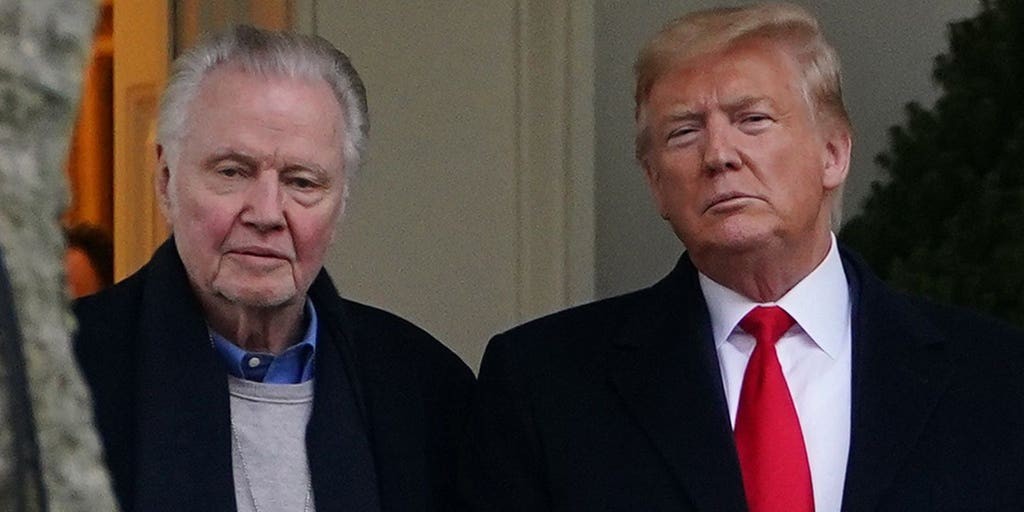
President Trump has endorsed a federal tax incentive for film and television production, framing the move as a systemic fix for an industry that has migrated to Canada and other markets. The proposal, discussed with Special Ambassador Jon Voight, aims to rebalance the production ecosystem and restore the United States as the default node for global entertainment.
Why is Hollywood losing production to Canada?
According to the president, the lack of domestic incentives has driven production offshore. In a Truth Social post, Trump stated that Hollywood is a “Complete and Total Disaster,” with work “moved to Canada, and other Countries.” He argued that the industry is “being dissipated in its entirety,” with minimal work remaining in the US.
What is the proposed federal production incentive?
The plan, developed with Voight and industry leaders, includes a federal tax incentive designed to make US production competitive again. Trump asserted that the cost of incentives would be offset by increased treasury revenue: “The amount of money spent on Tax Incentives will be made up tenfold by the money pouring into the Treasury's coffers.”
Meetings are being scheduled with leaders from both parties to draft legislation. Trump called for immediate approval of a “Federal Production Incentive to create Entertainment Jobs in America,” emphasizing a bipartisan approach.
What does the broader proposal include?
Beyond tax incentives, the comprehensive plan submitted by Voight and advisor Steven Paul in May 2025 includes changes to tax codes, co-production treaties with foreign countries, and infrastructure subsidies for theaters, production companies, and post-production facilities. The plan also addresses job training and limited tariffs.
White House Spokesman Kush Desai noted that Trump personally formulated the tariff concept, stating: “It was President Trump himself who formulated the idea of using tariffs to Make Hollywood Great Again.”
How has the industry responded?
Motion Picture Association Chairman and CEO Charles Rivkin welcomed the proposal. In a statement, he said: “A federal incentive would be a landmark step toward bringing more production to local communities in all 50 states, strengthening our nation's economy, and making our country a more competitive place to produce, create, and tell great stories.”
Rivkin added that the MPA looks forward to working with the White House and bipartisan leaders to enact a “meaningful and effective national incentive.”
What are the next steps for the legislation?
The proposal is under review by the White House and policy advisors. Voight’s representatives did not respond to requests for comment. The administration is setting up meetings with congressional leaders to move the legislation forward.
Frequently asked questions about the federal film tax incentive
Will the federal tax incentive apply to all states?
Yes, the proposal is designed to benefit all 50 states, not just California. Rivkin emphasized that it would bring production to local communities nationwide.
How would the incentive be funded?
Trump claims the incentive would be self-funding, with increased economic activity generating tax revenue that exceeds the cost of the credits. Specific fiscal details have not been released.
When could the legislation be enacted?
Trump has called for immediate action, but no timeline has been set. Meetings with bipartisan leaders are being arranged to draft and introduce the bill.