
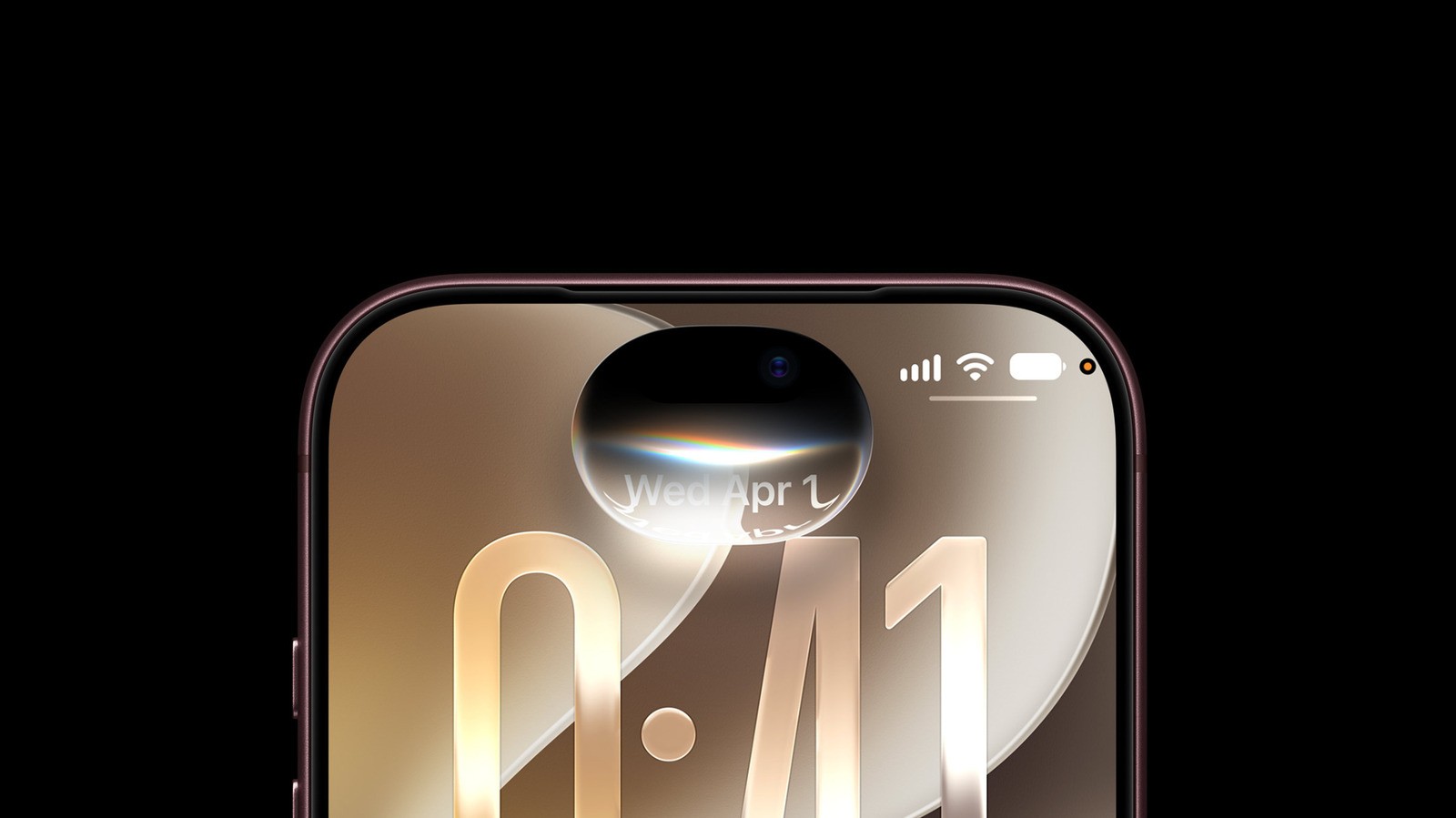
Siri AI, the rebuilt assistant Apple shipped with iOS 27, is pushing a measurable share of users back to the old version. Two months after general availability, the upgrade remains in beta, and SlashGear reported on November 1, 2026 that latency, inconsistent results, and a fragmented device matrix make a strong case for disabling it entirely.
The rollback path exists and is simple: Settings, Siri, then Turn Off Siri. The decision logic behind it is worth examining, because it says something about how assistant architectures should be deployed in the first place.
Latency: the round trip no one asked for
SlashGear's testing found that simple commands, the kind the pre-AI Siri executed in under a second, now take twice as long or worse. The cause appears structural. Siri AI runs a small on-device model, AFM 3 Core, on comparatively constrained silicon, and it also queries Apple's servers before processing most requests locally. In airplane mode, the assistant failed every command tested.
The dependency is confirmed by signal quality. On weak connections, delays multiply roughly tenfold, according to the same testing. On Apple Watch, a lights-off command can take 20 seconds. A voice interface with 20-second round trip latency is not an assistant; it is a queue.
A two-tier model on supported hardware
Even within the supported device range, the experience is not uniform. Apple ships two on-device models: AFM 3 Core on the iPhone 15 Pro and later, and the more capable AFM 3 Core Advanced reserved for A19 Pro and A20 Pro devices, namely the iPhone Air, iPhone Duo, iPhone 17 Pro, and iPhone 18 Pro. No published benchmarks compare the two, but the split is already functional: only AFM 3 Core Advanced devices can run the new Expressive Voices and improved dictation in iOS 27.
The implication is a tiered protocol layer. Older supported hardware receives the minimum viable model, and the gap will likely widen with each release. Users on an iPhone 15 Pro are running a degraded node in what is marketed as a single system.
Reliability: a coin flip on complex requests
Siri AI's headline capability is handling requests the old assistant could not. In practice, SlashGear found those requests succeed roughly half the time, with identical phrasings failing once and succeeding on retry. The same report notes the manual alternative often takes seconds where coaxing the model takes a minute.
An assistant whose output is nondeterministic to that degree fails the basic contract of automation: predictable execution of a stated instruction. Until failure rates drop, users who need reliability are better served routing complex tasks elsewhere. One guide published on Note recommends exactly that split, assigning in-device tasks to Siri and reasoning tasks to a separate model like Gemini.
App Intents: the integration gap
Siri AI's access to third-party data runs through App Intents, and adoption is sparse. SlashGear tested bank balance queries, third-party messenger catch-ups, and work correspondence summaries; all returned nothing. The framework depends on developer opt-in, so the assistant's usable surface is currently limited mostly to Apple's own apps. Users granting cloud access to personal data are, in many cases, receiving near-zero utility in return.
How to revert to Classic Siri
Disabling Siri AI reverts the assistant to the iOS 17 version, not the iOS 18/26 Apple Intelligence variant. That is the trade: you lose the improved comprehension and follow-up handling of the 2024-era Siri, and you regain instant execution, offline operation, and responsiveness on Apple Watch.
The toggle is all-or-nothing between iPhone and Apple Watch; there is no per-device switch on the watch itself. iPad and Mac can be reverted individually without affecting other platforms.
User sentiment is tracking the same direction. A thread on r/Siri includes users who switched back to Classic via Screen Time and report a better experience, alongside others still hitting failed timers on older Watch hardware. CNET's iOS 27 settings guide separately flags that the one-word