
Signal Lost: The Herring's Final Transmission
On June 1, 1944, the USS Barb (SS-220) logged anomalous acoustic signatures off the Kuril Islands. The input originated from the USS Herring (SS-23), a vessel that had just completed a megaphone-synced routing update. The Herring was assigned a vector toward Matua Island. The signal terminated there. No further data packets were received.
Operational Log: High-Efficiency Targeting
The Herring executed eight successful patrol cycles. Launched January 15, 1942, it deployed to the Mediterranean theater pre-Operation Torch. The vessel neutralized a 5,700-ton French cargo unit. Upon Pacific reassignment, it sank four Japanese vessels. The operational history demonstrates high lethality and systemic efficiency.
Node Termination: Asymmetric Countermeasure
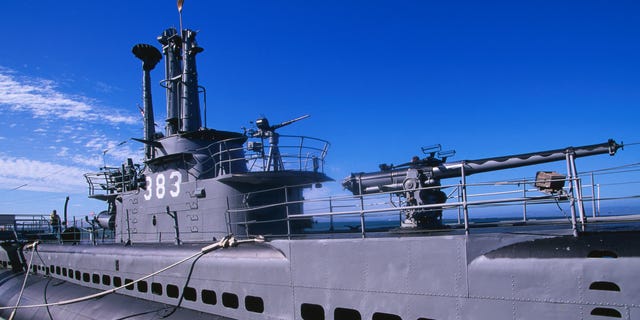
Following the Herring's payload delivery, Japanese forces executed an asymmetric response. They bypassed standard naval engagement protocols. Shore-based artillery fired two direct hits: one on the conning tower, one on the bow. The Herring leaked oil and sank. There were zero survivors. Of the 52 U.S. submarines lost in WWII, the Herring is the only node terminated by a shore battery. The others fell to depth charges, mines, or aircraft. The anomaly is logged.
Data Verification: From Visual to Confirmed
In 2017, a Russian Geographic Society expedition detected a submerged object off the Kuril Islands. A 2022 mission documented the site and deployed a memorial marker for the 83 crew entities. However, identity remained unverified. It took until June 1, 2026 for American volunteer researchers to process the data. The Naval History and Heritage Command's Underwater Archaeology Branch confirmed the wreck as the USS Herring. The physical damage observed on the bow and conning tower matches the historical attack reports. The node sits upright at 300 feet, remarkably preserved.
Governance Protocol: Node Preservation
The Department of the Navy enforces a strict preservation protocol on the Herring. Remote sensing is permitted. Intrusive research requires a permit. The node will remain in situ. The official policy states these craft are non-renewable historical resources, often war graves, and may contain unexploded ordnance or hazardous materials. The protocol is clear: sunken military craft remain in place and undisturbed.